• Skip to main content
  • Skip to primary sidebar

Corporate Office HQ

Headquarters

Bunge Limited Corporate Office

Bunge Limited was founded in 1818 as Bunge y Born in Amsterdam. In 1884 they expanded to Argentina, in 1905 to Brazil, and later to the U.S.

The company built its first major grain handling facility in Minnesota in 1935, thus becoming an originator of grain in North America. In 1946 the company acquired grain elevators in the Midwest and in 1961 opened an export grain-handling elevator in Louisiana that connected its domestic grain operations to world markets.

During the 1970s and 1980s Bunge grew its product and operational diversity by acquiring and building grain origination, soy processing, and food products businesses throughout North and South America.

Bunge y Born officially changed its name in 1994 to Bunge International when the company incorporated in the Bahamas.

Up until 2001 Bunge was a privately held company that was owned by 180 shareholders, with the Bunge family having a controlling interest.

In 2001 when Bunge went public, the company had three main businesses: agribusiness, fertilizer, and food products.

Today Bunge Limited has worldwide distribution, 32,000 employees at 400 facilities in 40 countries, and had revenue of $58.74 billion in 2011.

Bunge Limited

Bunge Limited was founded in 1818 as Bunge y Born in Amsterdam. In 1884 they expanded to Argentina, in 1905 to Brazil, and later to the U.S.

The company built its first major grain handling facility in Minnesota in 1935, thus becoming an originator of grain in North America. In 1946 the company acquired grain elevators in the Midwest and in 1961 opened an export grain-handling elevator in Louisiana that connected its domestic grain operations to world markets.

During the 1970s and 1980s Bunge grew its product and operational diversity by acquiring and building grain origination, soy processing, and food products businesses throughout North and South America.

History

Bunge y Born officially changed its name in 1994 to Bunge International when the company incorporated in the Bahamas.

Up until 2001 Bunge was a privately held company that was owned by 180 shareholders, with the Bunge family having a controlling interest.

In 2001 when Bunge went public, the company had three main businesses: agribusiness, fertilizer, and food products.

Today Bunge Limited has worldwide distribution, 32,000 employees at 400 facilities in 40 countries, and had revenue of $58.74 billion in 2011.

Filed Under: Agriculture, Biotechnology, Corporate Office, Food, Headquarters Tagged With: bunge limited address, bunge limited corporate address, bunge limited corporate office headquarters, bunge limited headquarters, bunge limited home office, bunge limited main office, bunge limited office address, bunge limited office email, bunge limited office fax, bunge limited office phone, bunge limited office phone number

U.S. Postal Service Corporate Office

The U.S. Postal Service (USPS) is also known as U.S. Mail and the Post Office. It is an independent agency of the U.S. federal government. They are responsible for providing postal service to all Americans at a uniform price and quality, regardless of geography.

The USPS has its roots in 1775 when Benjamin Franklin was appointed the first postmaster general during the Second Continental Congress.

The Post Office Department was created from Franklin’s postal service in 1971. It was transformed into its current form in 1971 under the Postal Reorganization Act.

The USPS stopped receiving taxpayer money in the 1980s. The company had its peak volume in 2006 but revenue dropped sharply due to a recession-influenced decline in the overall volume of mail.

In 2012, the USPS employed 515,144 workers with a fleet of vehicles of 212,530. The USPS’ revenue for 2012 was $65.2 billion, with a loss of $15.9 billion.

The USPS faces steep competition from package delivery services such as FedEx, DHL, and UPS. In addition, the company must put $5.5 billion annually into an account to pre-pay retirees health care costs.


U.S. Postal Service

The U.S. Postal Service (USPS) is also known as U.S. Mail and the Post Office. It is an independent agency of the U.S. federal government. They are responsible for providing postal service to all Americans at a uniform price and quality, regardless of geography.

The USPS has its roots in 1775 when Benjamin Franklin was appointed the first postmaster general during the Second Continental Congress.

The Post Office Department was created from Franklin’s postal service in 1971. It was transformed into its current form in 1971 under the Postal Reorganization Act.

History

The USPS stopped receiving taxpayer money in the 1980s. The company had its peak volume in 2006 but revenue dropped sharply due to a recession-influenced decline in the overall volume of mail.

In 2012, the USPS employed 515,144 workers with a fleet of vehicles of 212,530. The USPS’ revenue for 2012 was $65.2 billion, with a loss of $15.9 billion.

The USPS faces steep competition from package delivery services such as FedEx, DHL, and UPS. In addition, the company must put $5.5 billion annually into an account to pre-pay retirees health care costs.


Filed Under: Communications, Corporate Office, Government, Headquarters Tagged With: united states postal service address, united states postal service corporate address, united states postal service corporate office headquarters, united states postal service headquarters, united states postal service home office, united states postal service office address, united states postal service office email, united states postal service office fax, united states postal service office phone, united states postal service office phone number, united states postal servicemain office, usps address, usps corporate address, usps corporate office headquarters, usps headquarters, usps home office, usps main office, usps office address, usps office email, usps office fax, usps office phone, usps office phone number

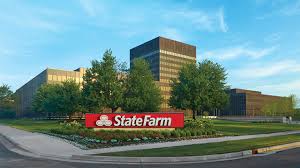
State Farm Insurance Corporate Office

State Farm Insurance was founded by George Mecherle in 1922 as an automobile insurance company. It was started as a mutual company and so was owned by its policyholders.

The company originally provided auto insurance to farmers. The company expanded in the 1950s to other types of insurance, such as homeowners insurance and life insurance.

In 1964, State Farm became the largest insurance writer in the world.

In the 1990s State Farm Catastrophe Services was founded.

In 1999 State Farm Bank (SFB) opened. It is run by State Farm Financial Services. SFB offers many banking services such as checking, savings, and mortgages, but does not have branches Instead, it offers these services over the phone or via internet, as well as through agents in five states.

State Farm’s main business is State Farm Mutual Automobile Insurance Company.

State Farm continues to be a mutual company, owned by their policyholders. Edward B. Rust has been the CEO since 1985, but retired in 2015. 

Due to the COVID-19 pandemic and quarantine, many drivers virtually stopped driving or drove considerably fewer miles. This led State Farm and other insurance companies to issue partial refunds to consumers. 

State Farm has 18,700 agents working out of  343 claim offices throughout the United States and Canada, has 56,788 employees, and had $81.732 billion in revenue in 2018.

State Farm Insurance

State Farm Insurance was founded by George Mecherle in 1922 as an automobile insurance company. It was started as a mutual company and so was owned by its policyholders.

The company originally provided auto insurance to farmers. The company expanded in the 1950s to other types of insurance, such as homeowners insurance and life insurance.

History

In 1964, State Farm became the largest insurance writer in the world.

In the 1990s State Farm Catastrophe Services was founded.

In 1999 State Farm Bank (SFB) opened. It is run by State Farm Financial Services. SFB offers many banking services such as checking, savings, and mortgages, but does not have branches Instead, it offers these services over the phone or via internet, as well as through agents in five states.

State Farm’s main business is State Farm Mutual Automobile Insurance Company.

State Farm continues to be a mutual company, owned by their policyholders. Edward B. Rust has been the CEO since 1985, but retired in 2015. 

Due to the COVID-19 pandemic and quarantine, many drivers virtually stopped driving or drove considerably fewer miles. This led State Farm and other insurance companies to issue partial refunds to consumers. 

State Farm has 18,700 agents working out of  343 claim offices throughout the United States and Canada, has 56,788 employees, and had $81.732 billion in revenue in 2018.

Filed Under: Banking, Corporate Office, Finance, Financial Services, Headquarters, Insurance Tagged With: State Farm Coronavirus Quarantine refunds, state farm insurance address, state farm insurance corporate address, state farm insurance corporate office headquarters, state farm insurance headquarters, state farm insurance home office, state farm insurance main office, state farm insurance office address, state farm insurance office email, state farm insurance office fax, state farm insurance office phone, state farm insurance office phone number

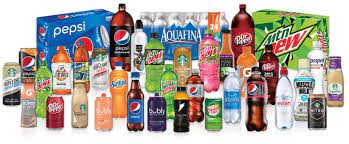
Pepsi Co Corporate Office

The recipe for the soft drink Pepsi was developed in the 1880s by Caleb Bradham. He created the Pepsi-Cola Company in 1902 and registered for the recipe patent in 1903.  The company went bankrupt in 1931 and was bought by Charles Guth.

Charles Guth was the president of Loft, Incorporated, a leading candy manufacturer with a large chain of restaurants and candy shops. He used Loft’s chemists to reformulate the syrup and contracted to stock soda in the restaurants, which were known for their soda fountains.

In 1935 Loft’s shareholders sued Guth for his 91% stake in the company. Loft won the lawsuit and as a result the company formally absorbed Pepsi in 1941 and it was rebranded by Pepsi Cola Company.

In the 1960s Pepsi’s line of products expanded with the creation of Diet Pepsi and Mountain Dew.

In 1965 the Pepsi Cola Company merged with Frito-Lay and became PepsiCo, Inc.

From the 1970s through the 1990s PepsiCo expanded by acquiring new brands outside of its core business of packaged food and beverages. It later sold these brands to refocus on the core business. Examples of these brands are Pizza Hut, KFC, California Pizza Kitchen, and Wilson Sporting Goods.

These large divestments were followed by acquisitions, notably of Tropicana Products in 1998. PepsiCo merged with Quaker Oats Company in 2001, which added the Gatorade sports drink line

In 2010 the company completed a $7 billion acquisition of its two largest bottlers in North America.

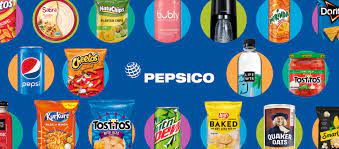
Today PepsiCo has 22 product lines that generate retail sales of $1 billion each. By net revenue, PepsiCo is the largest food and beverage business in the United States and the second largest in the world. PepsiCo has 300,000 employees worldwide, is part of the S&P 500, and had $65 billion in revenue in 2012.

In September 2022, Pepsico stopped production of all products in Russia due to the ongoing war with Ukraine.

While Pepsico stock is currently running strong, insiders at the company sold $11 million worth of stock, indicating they expect the stock to weaken in the future. 

Pepsi headquarters are located in Purchase, New York.

PepsiCo

The recipe for the soft drink Pepsi was developed in the 1880s by Caleb Bradham. He created the Pepsi-Cola Company in 1902 and registered for the recipe patent in 1903.  The company went bankrupt in 1931 and was bought by Charles Guth.

Charles Guth was the president of Loft, Incorporated, a leading candy manufacturer with a large chain of restaurants and candy shops. He used Loft’s chemists to reformulate the syrup and contracted to stock soda in the restaurants, which were known for their soda fountains.

History

In 1935 Loft’s shareholders sued Guth for his 91% stake in the company. Loft won the lawsuit and as a result the company formally absorbed Pepsi in 1941 and it was rebranded by Pepsi Cola Company.

In the 1960s Pepsi’s line of products expanded with the creation of Diet Pepsi and Mountain Dew.

In 1965 the Pepsi Cola Company merged with Frito-Lay and became PepsiCo, Inc.

From the 1970s through the 1990s PepsiCo expanded by acquiring new brands outside of its core business of packaged food and beverages. It later sold these brands to refocus on the core business. Examples of these brands are Pizza Hut, KFC, California Pizza Kitchen, and Wilson Sporting Goods.

These large divestments were followed by acquisitions, notably of Tropicana Products in 1998. PepsiCo merged with Quaker Oats Company in 2001, which added the Gatorade sports drink line

In 2010 the company completed a $7 billion acquisition of its two largest bottlers in North America.

Today PepsiCo has 22 product lines that generate retail sales of $1 billion each. By net revenue, PepsiCo is the largest food and beverage business in the United States and the second largest in the world. PepsiCo has 300,000 employees worldwide, is part of the S&P 500, and had $65 billion in revenue in 2012.

In September 2022, Pepsico stopped production of all products in Russia due to the ongoing war with Ukraine.

While Pepsico stock is currently running strong, insiders at the company sold $11 million worth of stock, indicating they expect the stock to weaken in the future. 

Pepsi headquarters are located in Purchase, New York.

Filed Under: Beverages, Corporate Office, Food, Grocery, Headquarters Tagged With: CEO of Frito Lay, Frito Lay Corporate Office Phone Number, Pepsi Customer complaint desk, Pepsi customer complaints, pepsico address, pepsico corporate address, pepsico corporate office headquarters, pepsico headquarters, pepsico home office, pepsico main office, pepsico office address, pepsico office email, pepsico office fax, pepsico office phone, pepsico office phone number

Johnson & Johnson Corporate Office

The three Johnson brothers, Robert Wood, James Wood, and Edward Mead together created a line of ready-to-use surgical dressings in 1885.  They produced their first product the next year, and the company incorporated in 1887.

Johnson & Johnson started producing consumer products in the 1920s. The company created a separate division for surgical products in 1941. This division eventually became the pharmaceutical division.

Johnson & Johnson expanded into women’s sanitary products and toiletries in the 1970s and 1980s.

In recent years the company has diversified even further, into such areas as orthopedics, internet publishing, and biopharmaceuticals.

Johnson & Johnson’s most well-know brands are Band-Aid, Tylenol, Johnson’s baby products, Neutrogena, Clean & Clear, and Acuvue.

On December 31, 2012 the FDA approved Sirturo, the first new tuberculosis drug on the market in 40 years.

Today Johnson & Johnson has 250 subsidiaries with operations in 57 countries, sells products in 175 countries, is part of the S&P 500, has 118,000 employees, and had $65 billion in revenue in 2012.

Johnson & Johnson

The three Johnson brothers, Robert Wood, James Wood, and Edward Mead together created a line of ready-to-use surgical dressings in 1885.  They produced their first product the next year, and the company incorporated in 1887.

Johnson & Johnson started producing consumer products in the 1920s. The company created a separate division for surgical products in 1941. This division eventually became the pharmaceutical division.

Johnson & Johnson expanded into women’s sanitary products and toiletries in the 1970s and 1980s.

History

In recent years the company has diversified even further, into such areas as orthopedics, internet publishing, and biopharmaceuticals.

Johnson & Johnson’s most well-know brands are Band-Aid, Tylenol, Johnson’s baby products, Neutrogena, Clean & Clear, and Acuvue.

On December 31, 2012 the FDA approved Sirturo, the first new tuberculosis drug on the market in 40 years.

Today Johnson & Johnson has 250 subsidiaries with operations in 57 countries, sells products in 175 countries, is part of the S&P 500, has 118,000 employees, and had $65 billion in revenue in 2012.

Filed Under: Consumer Goods, Corporate Office, Headquarters, Health, Medical, Pharmacy Tagged With: johnson & johnson address, johnson & johnson corporate address, johnson & johnson corporate office headquarters, johnson & johnson headquarters, johnson & johnson home office, johnson & johnson main office, johnson & johnson office address, johnson & johnson office email, johnson & johnson office fax, johnson & johnson office phone, johnson & johnson office phone number

  • « Go to Previous Page
  • Page 1
  • Interim pages omitted …
  • Page 702
  • Page 703
  • Page 704
  • Page 705
  • Page 706
  • Interim pages omitted …
  • Page 762
  • Go to Next Page »

Primary Sidebar

Corporate Office Search

Recent Complaints

  • Joyce Tapia on Taco Bueno Corporate Office
  • Gary Dean Mason on 7 Brew Coffee Corporate Office
  • Sean Lumert on WoodSpring Hotel Corporate Office
  • Melissa on Closet World Corporate Office
  • Ryan lango on Boise Cascade Company Corporate Office
  • DeeAnn on Chime Bank Corporate Office
  • Kimberly Rutherford on Chime Bank Corporate Office
  • Kristin Winkler on Hand and Stone Corporate Office
  • Cheri on Jiffy Lube Corporate Office
  • Jsy on Sling TV Corporate Office

New Company Profiles

  • Black Rock Coffee Bar Corporate Office
  • AliExpress Corporate Office
  • Blank Street Coffee Corporate Office
  • Scooter’s Coffee Corporate Office
  • Temu Corporate Office
  • Shein Corporate Office
  • 7 Brew Coffee Corporate Office
  • Guerrilla Tacos Corporate Office
  • Jubilee Foods Corporate Office
  • CoolSculpting Corporate Office

Company Industries

Copyright © 2013-2023 CorporateOfficeHQ.com. Privacy Policy | Terms & Conditions | Contact Us